

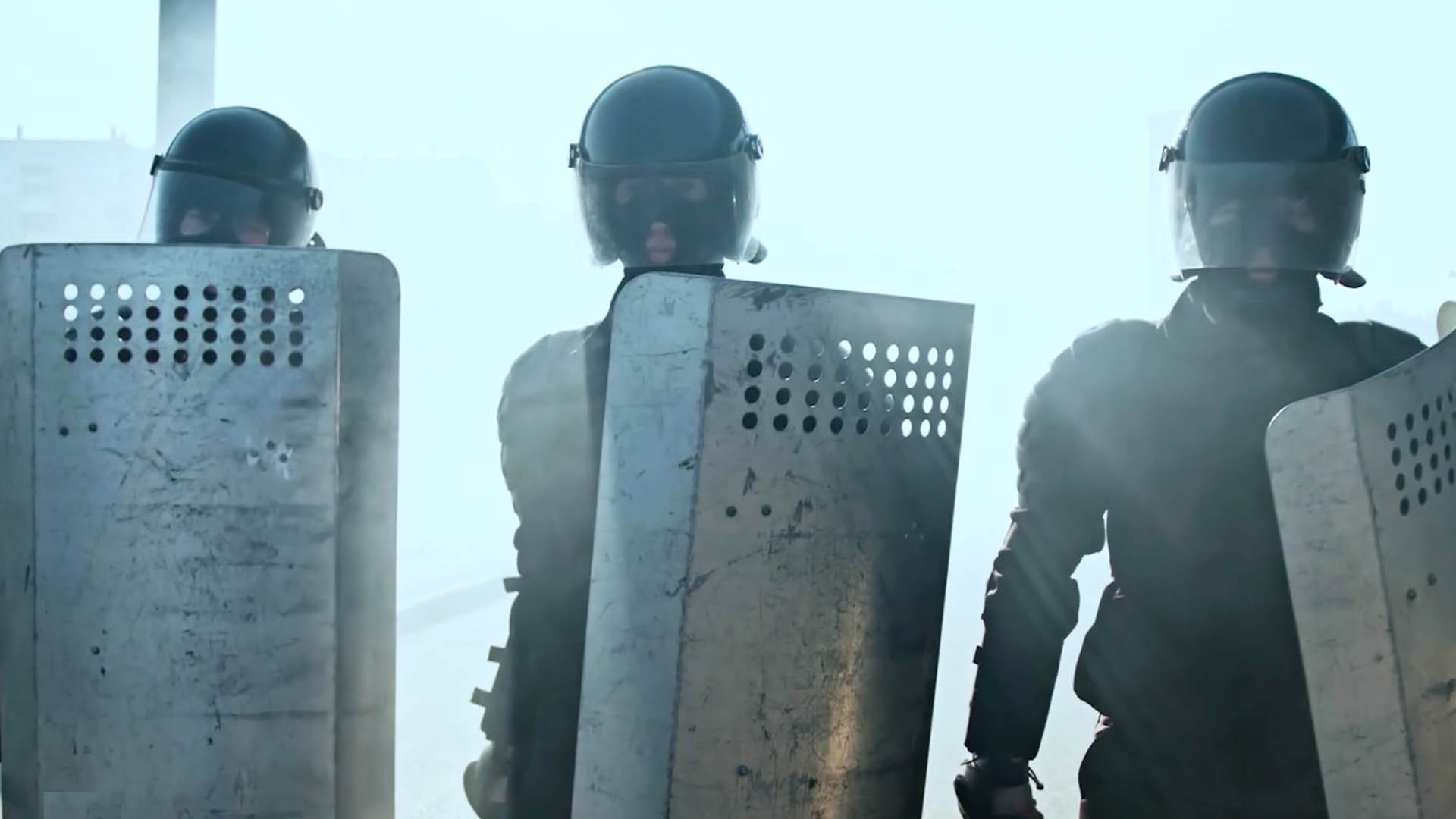
Police Brutality and Misconduct Attorney in Brooklyn, NY, for Victims Seeking Accountability and Civil Rights Justice
Police brutality and other forms of law enforcement misconduct can leave deep physical, emotional, and financial harm, and in many cases, the impact lasts long after the incident ends. If you or someone you love has been harmed by excessive force, unlawful detention, or another abuse of authority, you deserve to be heard, protected, and taken seriously. Roger V. Archibald PLLC is committed to standing up for individuals and families whose rights have been violated. When you are searching for a Brooklyn police brutality lawyer, it is not simply about filing paperwork or arguing a legal theory; it is about demanding accountability, restoring dignity, and pursuing meaningful justice through the civil legal system.
Police misconduct is not a “minor” issue, and it is not something victims should feel pressured to ignore. It can include unnecessary force during an arrest, retaliation for speaking up, unlawful searches, discriminatory treatment, and other actions that violate constitutional protections. Victims often face intimidation, confusion about what to do next, and fear that they will not be believed. Our firm approaches these cases with urgency and purpose because civil rights violations are serious and because every person has the right to be safe from abusive conduct, regardless of background, neighborhood, or prior contact with law enforcement. From the first conversation, we focus on protecting your rights, preserving evidence, and building a case designed to pursue damages and hold responsible parties accountable.
If you believe you were targeted, mistreated, or harmed by a police officer or another government actor in Brooklyn, do not assume you have to handle it alone or that you have to accept what happened. Civil rights cases often move quickly at the evidence stage, and early action can make a significant difference in what can be proven later. A police brutality and misconduct attorney in Brooklyn, NY, can help you understand your options, identify the legal violations that may apply, and take decisive steps toward accountability. If you are ready to learn how Roger V. Archibald PLLC can help, contact us today for a free consultation through our online contact form.
Types of Police Brutality Cases Roger V. Archibald PLLC Handles in Brooklyn, NY
Police brutality cases are often complex, fast-moving, and heavily contested, especially when government agencies control key evidence and narratives. Roger V. Archibald PLLC approaches these claims with a detailed understanding of civil rights law, local procedures, and how police misconduct cases are investigated and defended in Brooklyn. The firm is prepared to act quickly to help preserve critical proof, assess the legal violations involved, and build a strategy designed to hold the appropriate parties accountable through the civil justice system.
Below are examples of the types of police brutality and misconduct matters the firm handles. Each case is different, but the common thread remains: when an officer or agency violates a person’s rights, there should be consequences.
- Excessive force claims in Brooklyn, NY: Involving unnecessary or unreasonable physical force during an encounter, detention, or arrest.
- Sexual misconduct claims in Brooklyn, NY: Arising from sexual assault, coercion, harassment, or exploitation by law enforcement personnel.
- Theft claims in Brooklyn, NY: Involving stolen cash, property, or valuables during stops, searches, or while a person is in custody.
- False arrest or imprisonment claims in Brooklyn, NY: When a person is detained without lawful justification or held longer than legally permitted.
- Unlawful search and seizure claims in Brooklyn, NY: Involving unconstitutional searches of a person, home, vehicle, phone, or belongings.
- Discrimination claims in Brooklyn, NY: Based on race, ethnicity, religion, national origin, gender, sexual orientation, disability, or other protected traits.
- Falsification of evidence claims in Brooklyn, NY: Occurs when reports are altered, evidence is planted, or facts are misrepresented to justify police conduct.
- Deliberate indifference claims in Brooklyn, NY: When officials ignore known risks of harm or fail to prevent predictable misconduct.
- Unjustified shootings or deadly force claims in Brooklyn, NY: Involving shootings or other lethal tactics used without a lawful basis.
- Taser or baton misuse claims in Brooklyn, NY: Involving unnecessary deployment, repeated use, or use against restrained or non-threatening individuals.
- Failure to provide medical care claims in Brooklyn, NY: When officers or jail personnel delay or deny necessary medical attention after injury or distress.
- Other forms of misconduct in Brooklyn, NY: These include intimidation, retaliation, unlawful threats, and the abuse of authority that violate constitutional rights.
If you believe you were harmed by police misconduct, it is important to take your concerns seriously and act promptly. Evidence can disappear, memories can fade, and deadlines may apply. Roger V. Archibald PLLC can evaluate what happened, explain potential civil claims, and pursue compensation where appropriate while keeping the focus where it belongs: on your rights, your recovery, and accountability.
Understanding Your Rights Against Police Misconduct in Brooklyn, NY
Police officers and other law enforcement personnel have significant authority, but that authority is not unlimited. Federal and New York State laws protect individuals from abusive, discriminatory, or unconstitutional conduct, and those legal protections apply in Brooklyn just as they do anywhere else. When police misconduct occurs, civil claims may allow victims to seek accountability and financial compensation for the harm they suffered.
Key Federal and State Protections That May Apply
Federal civil rights laws are often the foundation of police brutality litigation. In many cases, victims pursue claims under 42 U.S.C. § 1983, a federal statute that allows individuals to sue when a person acting “under color of law” violates their constitutional rights. Depending on what happened, state-law claims may also apply, including claims based on assault, battery, false imprisonment, negligence, wrongful death, and related theories recognized under New York law.
Constitutional Rights Commonly Involved in Police Brutality Cases
While every case turns on specific facts, police misconduct allegations frequently relate to these constitutional protections:
- Fourth Amendment (unreasonable searches and seizures): Protects against unlawful stops, arrests without proper legal justification, and unreasonable searches of your person, home, vehicle, or belongings. Excessive force during an arrest or detention is also often analyzed under Fourth Amendment standards.
- Fifth Amendment (due process and self-incrimination): Protects against coercive tactics that violate due process and safeguards individuals from being compelled to incriminate themselves.
- Eighth Amendment (cruel and unusual punishment): Often becomes relevant when misconduct involves conditions of confinement, unnecessary violence, or denial of humane treatment after a person is already in custody (especially in jail or detention settings).
- Section 1983 claims (civil rights act): Provide a civil remedy for damages when constitutional rights are violated by law enforcement or other government actors; in some situations, claims may also extend to supervisory failures, policies, training failures, or patterns of misconduct that enabled the harm.
Why Acting Quickly Matters
Time is not on a victim’s side in most police misconduct matters. Evidence can be lost, overwritten, or become harder to obtain, particularly surveillance video, body-worn camera footage, dispatch logs, and witness recollections. In addition, legal deadlines may apply, and those deadlines can differ depending on who is being sued (an individual officer, a city agency, or another government entity) and what legal theories are involved (federal civil rights claims versus state-law tort claims).
Importantly, some cases can involve special notice requirements and shorter time windows, especially when a claim may be asserted against a municipality or public agency. The safest approach is to consult counsel as soon as possible so your rights can be evaluated promptly, critical evidence can be preserved, and your case can be positioned for the strongest possible outcome.
Common Injuries Resulting from Police Brutality
Police brutality can cause immediate physical harm as well as long-term consequences that disrupt a victim’s health, employment, and quality of life. Even when injuries are not visible right away, victims may experience delayed symptoms, complications, and psychological trauma that require ongoing treatment. Below are common injuries associated with excessive force and other forms of police misconduct:
- Broken bones and fractures: Including wrist, rib, facial, and limb fractures from strikes, takedowns, or restraint-related force
- Head trauma and traumatic brain injuries: Ranging from concussions to more serious brain injuries caused by blows, falls, or impacts with hard surfaces
- Spinal cord injuries: Including herniated discs, nerve damage, or paralysis-related injuries that may limit mobility and independence
- Permanent disability or disfigurement: Such as lasting impairment, scarring, dental damage, vision loss, or reduced function of a limb
- Psychological trauma (PTSD, anxiety, depression): Emotional injuries that can affect sleep, relationships, employment, and overall stability long after the incident
- Wrongful death: Fatal injuries that may support a civil claim on behalf of surviving family members and the victim’s estate
Police brutality can cause severe, sometimes life-altering harm that extends far beyond the initial incident. If you suffered injuries in a use-of-force encounter, documenting your symptoms and getting prompt medical care can be critical to protecting both your health and your legal rights. You do not have to navigate the aftermath alone; there are legal options that may help you pursue accountability and compensation.
Police Body Cameras: How Footage Affects Your Claim
Body-worn camera footage can be some of the strongest evidence in a police brutality case because it may capture the lead-up to force, the force itself, and what happened afterward. It can help resolve disputes about threat level, commands, escalation, medical delays, and whether other officers participated or failed to intervene, details that reports may omit.
However, video is not preserved indefinitely. Retention policies, overwritten files, missing angles, poor audio, or cameras being off can limit what exists, which is why speed matters. A Brooklyn police brutality lawyer can act quickly by sending preservation and litigation-hold letters, requesting body- and dash-cam footage and nearby surveillance footage, securing dispatch logs and incident records, and pursuing formal requests or court intervention when needed. Early involvement increases the chance of obtaining complete recordings before they are lost or the narrative hardens against you.
Filing a Police Brutality Claim in Brooklyn, NY: The Legal Process Explained
A police brutality claim is built on proof and procedure. The goal is to document what happened, identify who is responsible, and connect the misconduct to your injuries and losses. While every case is different, most follow these core steps:
Investigation and Evidence Gathering
Your legal team works to identify involved officers, locate witnesses, and secure key records. Evidence often includes medical documentation, photographs, witness statements, body camera and third-party video, incident reports, 911 calls, dispatch logs, and, when permitted, information showing prior patterns or complaints. Early action matters because footage and records can disappear.
Filing a Notice of Claim (If Required)
Some claims involving a city agency or other public entity may require a formal Notice of Claim before a lawsuit can proceed. These rules are strict and time-sensitive, and missing a deadline can jeopardize an otherwise strong case.
Filing a Formal Lawsuit
Once the investigation is underway and any required notices are filed, a lawsuit is filed in the proper court. Depending on the facts, this may include federal civil rights claims (such as Section 1983) and/or New York State claims against appropriate defendants, which may consist of individual officers and other responsible parties where legally justified.
Discovery and Depositions
Both sides exchange evidence and take sworn testimony. Discovery often includes policies, training materials, videos, reports, and records held by government agencies, as well as depositions of the victim, witnesses, and involved officers. This phase frequently exposes inconsistencies and becomes a turning point in the case.
Negotiation and Possible Settlement
Many cases move to settlement discussions after key evidence is developed. A fair settlement depends on the strength of the proof, the severity of harm, and your goals, not speed.
Trial and Litigation (If Necessary)
If the defense will not offer a fair resolution, the case may proceed to trial. Trial preparation involves motions, witness preparation, and, when appropriate, expert support to prove the violation and the full scope of damages, including medical costs, lost income, pain and suffering, and emotional distress.
About Police Brutality in Brooklyn, NY
Brooklyn is a large and diverse borough with extensive transit networks, major commercial corridors, civic institutions, and frequent public events, all of which contribute to a high volume of interactions between residents and law enforcement. Police encounters in Brooklyn occur in a wide range of settings, including street stops, arrests, transit enforcement, demonstrations, and crowd-control operations. Allegations of police misconduct in the borough often arise from questions about how enforcement decisions are made in these varied contexts and whether the level of force or authority used was appropriate under the circumstances.
Police brutality claims in Brooklyn frequently involve time-sensitive evidence and strict procedural requirements. Body-worn camera footage, dispatch records, and agency documentation can play a critical role, but access to this information is often controlled by government entities. Working with an attorney experienced in handling police misconduct matters in Brooklyn can help ensure that evidence is preserved promptly and that municipal and court procedures are followed correctly from the outset.
Areas in Brooklyn Where Police Encounters Commonly Occur
Police misconduct allegations can arise anywhere in the borough, but certain areas experience heightened police activity due to transit access, large gatherings, nightlife, or concentrated enforcement efforts. Claims associated with these locations vary depending on the nature of the encounter.
- Eastern Brooklyn neighborhoods: Areas with busy transit corridors and dense residential activity may see frequent street-level enforcement. Allegations arising from encounters in these settings sometimes include claims of excessive force, unlawful detention, or aggressive stop-and-question practices.
- Brownsville and surrounding residential areas: Police activity in residential neighborhoods may involve routine patrols, street stops, or responses to calls for service. Claims connected to these encounters can include allegations of escalation during stops, improper use of force, or disputes over arrest justification.
- Downtown Brooklyn and the Barclays Center area: As a major transportation, commercial, and event hub, this area sees significant police presence during large gatherings, demonstrations, and sporting events. Allegations associated with enforcement in similar settings may involve claims of aggressive arrests, excessive force during crowd management, or unlawful detention.
- Central Brooklyn cultural and civic areas: Locations near museums, parks, and community institutions often draw police response during public events or demonstrations. Claims arising from these encounters may include allegations related to crowd movement, takedowns, or disputed detentions and arrests.
- Precinct-based enforcement zones: Police activity across Brooklyn is organized by precinct jurisdictions, each with its own patrol responsibilities and enforcement practices. Police brutality claims associated with precinct-based operations may involve allegations of improper searches, unlawful detention, intimidation, or use of force, depending on the facts of the incident.
Why Localized Legal Experience Matters in Brooklyn Police Brutality Cases
Police misconduct cases in Brooklyn are highly fact-specific, and outcomes often depend on the neighborhood, responding command, and enforcement context involved. The setting of an incident, whether a street stop, protest, transit encounter, or nightlife-related arrest, can affect what evidence exists and which procedural rules apply.
Working with a police brutality and misconduct attorney in Brooklyn brings practical advantages rooted in familiarity with borough-wide court systems, municipal agencies, and oversight processes. Localized legal experience includes understanding how claims are handled in Kings County Supreme Court and related federal courts, how civilian oversight complaints are processed, and how discovery and motion practice typically unfold in Brooklyn cases. An attorney with Brooklyn-specific experience can help preserve key evidence, navigate procedural requirements, and present a claim with clarity and strategic focus.
Why Choose a Brooklyn Police Brutality Lawyer at Roger V. Archibald PLLC for Your Case?
Roger V. Archibald PLLC is committed to pursuing justice for Brooklyn residents harmed by excessive force, unlawful arrests, and other civil rights violations. The firm takes a focused, client-centered approach to police misconduct litigation, emphasizing careful case development, clear communication, and accountability when the evidence supports a finding of wrongdoing. Because these matters are complex and government defendants litigate aggressively, speed matters. Delays can jeopardize key proof, including body camera footage, surveillance video, and witness statements. Early legal involvement helps protect your rights, strengthen your case, and maximize compensation while pursuing meaningful accountability.
Contact an Experienced Brooklyn Police Brutality Lawyer at Roger V. Archibald PLLC for a Free Case Evaluation
Contact an experienced Brooklyn police brutality lawyer at Roger V. Archibald PLLC as soon as possible if you believe your rights were violated during a police encounter. These cases are time-sensitive, and early legal guidance can help protect critical evidence, clarify your options, and position your claim for the strongest possible outcome.
To get started, schedule a free case evaluation through the firm’s online contact form. Roger V. Archibald PLLC offers a free initial consultation and emphasizes affordable representation with transparent fees so that you can pursue accountability and compensation with a clear understanding of the process from day one.