

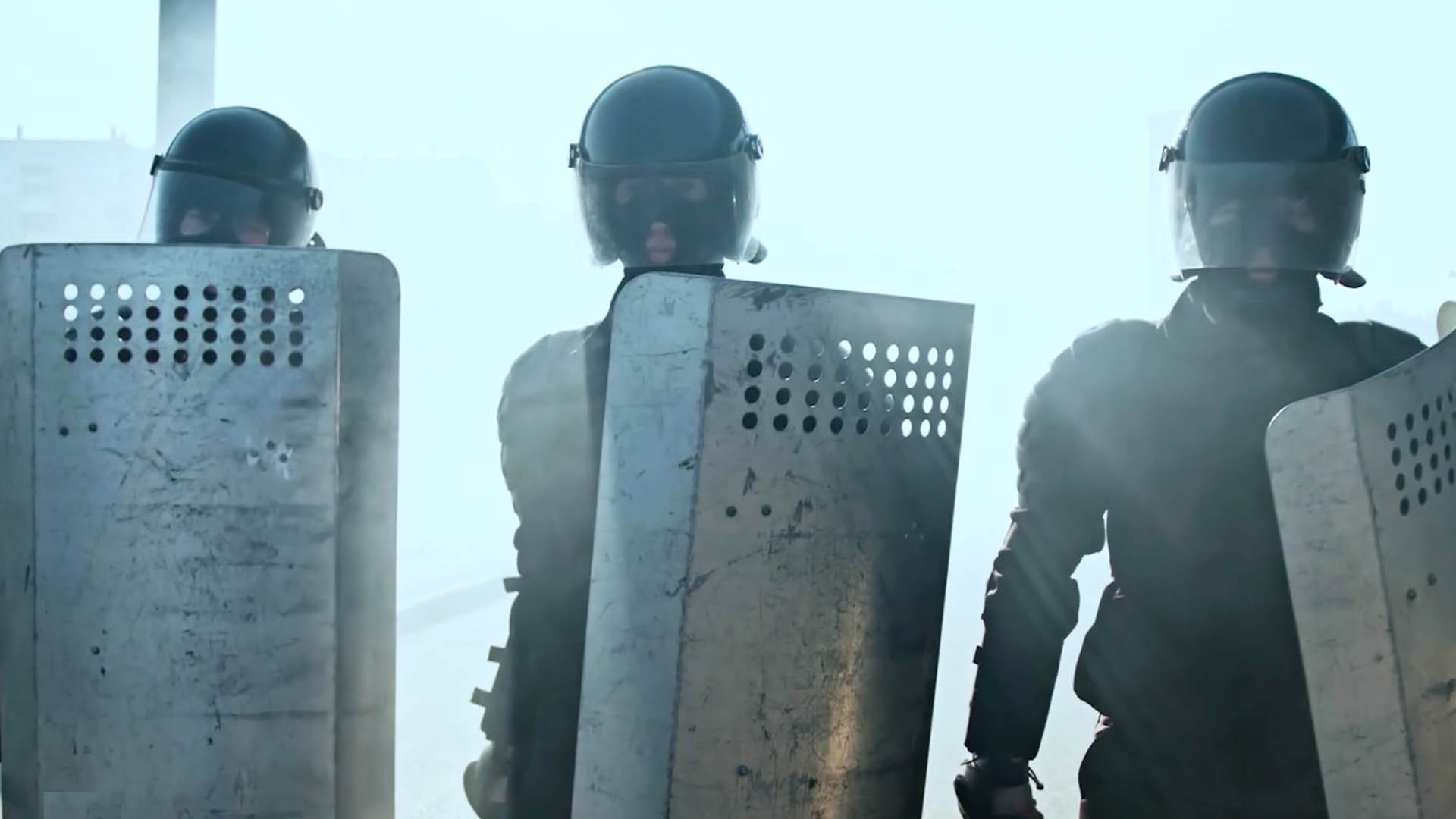
Police Brutality and Misconduct Attorney in Brooklyn Heights, NY, Providing Strategic Civil Rights Representation and Strong Client Support
Police brutality and law enforcement misconduct can change a person’s life in an instant, causing painful injuries, lasting emotional distress, financial disruption, and a loss of trust that is hard to repair. No one in Brooklyn Heights should feel they must accept excessive force, unlawful detention, retaliation, or other abuses of authority as “normal.” Roger V. Archibald PLLC stands with individuals and families whose rights have been violated, pursuing accountability through the civil justice system with urgency, careful investigation, and a clear commitment to justice. If you are searching for a Brooklyn Heights police brutality lawyer, you deserve representation that treats your experience with respect, protects your rights from day one, and builds a case grounded in credible evidence.
Police misconduct cases are often challenging because of the power imbalance and because official narratives may be crafted to justify what happened after the fact. Our approach focuses on your civil rights and on preserving the evidence that can make or break a claim: medical records, photographs, witness information, incident documentation, and time-sensitive video evidence, such as body-worn camera footage and nearby surveillance.
If you believe you were harmed during a police encounter in Brooklyn Heights, act quickly. Deadlines may apply, and crucial evidence can be lost if it is not preserved promptly. A police brutality and misconduct attorney in Brooklyn Heights, NY, can explain your options, protect key evidence, and pursue accountability with a strategy tailored to your circumstances. Contact Roger V. Archibald PLLC today for a free consultation through the firm’s online contact form.
Types of Police Brutality Cases Roger V. Archibald PLLC Handles in Brooklyn Heights, NY
Police brutality and misconduct claims can be legally complex and evidence-heavy, particularly when key information, such as incident reports, body camera footage, and internal records, is controlled by a government agency. Roger V. Archibald PLLC brings a focused understanding of civil rights law and the practical procedures that often shape police misconduct cases in Brooklyn Heights, including the urgency of preserving video evidence, documenting injuries, identifying all involved officers, and building a clear factual record that supports accountability and compensation. The firm approaches these matters with careful investigation, strategic planning, and consistent client communication so you understand what is happening at every stage of your case.
Below are examples of the types of police brutality and misconduct matters Roger V. Archibald PLLC handles. Every case is different, but each deserves a serious, evidence-driven review.
- Excessive force claims in Brooklyn Heights, NY: Claims involving the use of excessive or unjustified physical force during police encounters, including stops, arrests, detention, or custody
- Sexual misconduct claims in Brooklyn Heights, NY: Claims involving sexual abuse, coercion, harassment, or exploitation carried out by law enforcement officers
- Theft claims in Brooklyn Heights, NY: Claims based on the taking of cash, phones, jewelry, or other personal property during police stops, searches, or detention
- False arrest or imprisonment claims in Brooklyn Heights, NY: Claims arising from arrests made without lawful cause or confinement that extends beyond legal limits
- Unlawful search and seizure claims in Brooklyn Heights, NY: Claims involving illegal searches of an individual, residence, vehicle, phone, or personal belongings in violation of constitutional rights
- Discrimination claims in Brooklyn Heights, NY: Claims alleging biased or unequal treatment based on race, ethnicity, national origin, religion, gender, sexual orientation, disability, or another protected category
- Falsification of evidence claims in Brooklyn Heights, NY: Claims involving altered reports, distorted facts, false statements, or planted evidence used to support police conduct
- Deliberate indifference claims in Brooklyn Heights, NY: Claims based on failures by supervisors or agencies to respond to known risks, patterns of misconduct, or foreseeable harm
- Unjustified shootings or deadly force claims in Brooklyn Heights, NY: Claims involving the use of firearms or other lethal force in situations lacking lawful justification
- Taser or baton misuse claims in Brooklyn Heights, NY: Claims involving improper deployment, repeated use, or force applied against a restrained or non-threatening person
- Failure to provide medical care claims in Brooklyn Heights, NY: Claims arising when officers or custodial staff delay, deny, or interfere with access to necessary medical treatment after injury or distress
- Other forms of misconduct in Brooklyn Heights, NY: Claims involving intimidation, retaliation, unlawful threats, or abuses of authority that violate civil rights
If you believe you were harmed by police misconduct in Brooklyn Heights, NY, it is vital to take action promptly. Evidence can be lost, witness memories can fade, and deadlines may apply depending on the claims and parties involved. Roger V. Archibald PLLC can evaluate what happened, explain potential civil claims, and pursue a strategy focused on preserving proof, protecting your rights, and seeking accountability and compensation based on the facts.
Signs Your Rights Were Violated During an Arrest in Brooklyn Heights, NY
After an arrest or police encounter, it is common to question whether what happened was lawful, especially when officers control the scene and later write reports that may not match your experience. Not every negative interaction is unconstitutional, but certain warning signs can indicate a violation of your civil rights. These issues often overlap, and details like timing, location, witness accounts, and available video can significantly affect how a claim is evaluated.
Unlawful Stop or Detention Without a Valid Reason
A major red flag is being stopped, questioned, or held without a clear legal basis. If officers cannot articulate a legitimate reason or their explanation is vague, inconsistent, or shifts over time, your rights may have been violated.
Arrest Without Probable Cause
An arrest typically requires probable cause. If you were arrested based on assumptions, stereotypes, or minimal information, and the allegations do not align with what actually happened, probable cause may be disputed, particularly if the arrest followed you asserting your rights, asking why you were being detained, requesting a supervisor, or refusing consent to a search.
Illegal Search of Your Person, Phone, Car, or Home
Searches generally require legal justification. A warning sign is a search performed “because they felt like it,” without explicit consent, or after you declined consent. Property taken without proper documentation or lawful authority can also support a misconduct claim.
Unjustified or Excessive Force
Excessive force can include punches, kicks, baton strikes, improper takedowns, unnecessary restraints, unjustified Taser use, or force used after you were already controlled. Force does not have to be extreme to be unlawful; what matters is whether it was reasonable under the circumstances, especially if you were compliant or posed no threat.
Retaliation, Threats, or Intimidation
Threats, insults, intimidation, or escalated treatment in response to speaking up, recording, asking questions, or asserting rights may support a civil rights claim. Retaliation can also include unnecessary charges or aggressive handling after you attempted to de-escalate or requested medical help.
Missing, Conflicting, or “Too Convenient” Official Narratives
If reports do not match injuries, witness accounts, or video evidence, or omit key facts, it can signal an effort to justify conduct after the fact. Missing body camera footage, cameras being off, or unexplained gaps can also be significant depending on the circumstances.
If any of these warning signs apply, it is wise to seek legal guidance quickly. A Brooklyn Heights police brutality lawyer can assess potential claims and act to preserve time-sensitive evidence such as body camera footage, surveillance video, dispatch logs, and witness statements.
Emotional and Psychological Impact of Police Brutality
Police brutality is not only a physical experience, but it can also be a deeply personal violation that changes the way a person feels in their own neighborhood, around authority figures, and even in everyday public settings. Many victims describe feeling constantly on edge, replaying the incident in their mind, or experiencing waves of fear and anger that appear without warning. These reactions are not “overreactions.” They are common responses to trauma, especially when the trauma involves power, humiliation, injury, or the sense that your fundamental rights were ignored.
Common Emotional Aftereffects
Victims may experience:
- Anxiety and hypervigilance, including fear of police presence, sirens, uniforms, or specific locations
- Sleep disruption, nightmares, or intrusive memories of the incident
- Depression, isolation, or changes in mood that affect relationships and work
- Loss of trust or a sense of safety, even in familiar places
- Shame, anger, or frustration, particularly when others dismiss the incident or blame the victim
When these symptoms persist, they may be consistent with trauma-related conditions such as PTSD. Regardless of labels, what matters is that emotional harm is real, treatable, and often compensable when it is caused by police misconduct.
Support Resources and Why Getting Help Matters
Healing is not just about “moving on.” It is often about getting the proper support and rebuilding stability. Therapy, counseling, and trauma-informed care can help victims process what happened, manage triggers, and restore a sense of control. Many people also benefit from support groups, trusted community organizations, and crisis resources when symptoms are severe. Seeking help is not a weakness; it is a practical step toward recovery and creates a record of treatment that can help document the seriousness of the harm for a civil claim.
A police brutality and misconduct attorney in Brooklyn Heights, NY, can help make sure that psychological injuries are treated as part of the full harm caused by misconduct, not minimized or ignored. Compensation in a civil case may account for therapy costs, psychiatric care, emotional distress, and the broader impact trauma has had on your life. If you are experiencing emotional or psychological effects after a police encounter, you deserve support, and you deserve to have that harm taken seriously as part of your pursuit of justice.
Understanding Qualified Immunity: What it Means for Your Case
Qualified immunity is a controversial legal doctrine that can shield police officers from personal liability in certain federal civil rights cases, even when a constitutional violation is alleged, unless the unlawfulness of the conduct was “clearly established” under existing law. In practice, it may lead to early dismissal efforts and force victims to prove the facts with specificity and tie the officer’s actions to well-defined constitutional standards. To overcome this barrier, Roger V. Archibald PLLC focuses on securing time-sensitive evidence (such as body camera footage, surveillance video, medical records, and witness statements) and presenting a detailed, evidence-backed account showing that the force or conduct was objectively unreasonable. The firm also anticipates immunity arguments from the outset by framing claims around established legal rules and building a record that makes it difficult to excuse misconduct as a “close call.”
Common Defenses Police Officers Use Against Brutality Claims
Police departments and officers rarely admit wrongdoing. Even with serious injuries, defendants often rely on predictable arguments to justify force, shift blame, or attack credibility; one reason experienced legal representation is essential in Brooklyn Heights police brutality cases.
- Qualified immunity: Officers may argue the law was not “clearly established,” or their actions deserve protection.
How an attorney counters it: Build a detailed factual record and use video, medical proof, and witness testimony to show the conduct was objectively unreasonable under clearly established standards. - “The force was reasonable”: Defendants may portray the encounter as dangerous or fast-moving to excuse the level of force used.
How an attorney counters it: Rely on objective evidence, footage, injury patterns, timelines, and witness accounts to show force was disproportionate, unnecessary, or continued after control was achieved. - Alleged resistance or noncompliance: Officers may claim the victim resisted, refused commands, or acted aggressively to justify escalation.
How an attorney counters it: Test those claims against body camera footage, dispatch logs, witness statements, and inconsistencies in reports, while distinguishing actual threats from ordinary human reactions. - Attacking credibility / minimizing injuries: Defendants may argue that injuries were minor, unrelated, or that the victim is unreliable.
How an attorney counters it: Use medical records, treatment documentation, consistent testimony, and careful case management to avoid credibility traps, including risky social media activity.
Because these defenses are common, the strongest cases are built early by preserving time-sensitive evidence and presenting a clear, proof-based narrative. A Brooklyn Heights police brutality lawyer does not just file a claim; the goal is to develop a case that can withstand motions, credibility attacks, and government litigation tactics while keeping the focus on your rights, your injuries, and accountability.
About Police Brutality in Brooklyn Heights, NY
Brooklyn Heights is a historic residential neighborhood located adjacent to Downtown Brooklyn’s civic and governmental core, placing it at the intersection of quiet residential streets and some of the city’s busiest legal, transit, and administrative corridors. Police activity in the area is influenced by its proximity to courthouses, municipal offices, transit hubs, and public gathering spaces, where enforcement levels can change quickly in response to demonstrations, court-related activity, or large public events. As in other parts of New York City, allegations of police misconduct can arise even in neighborhoods perceived as low crime, particularly where residential life overlaps with high-visibility government and transportation infrastructure.
Police misconduct claims connected to Brooklyn Heights often involve encounters during crowd management, protest activity, or enforcement actions near transit routes and civic buildings. Addressing these claims requires close attention to procedural rules, oversight processes, and the specific context in which an incident occurred. Working with an attorney experienced in handling police brutality matters in Brooklyn Heights can help ensure that local conditions, enforcement patterns, and evidentiary challenges are properly evaluated.
Areas in Brooklyn Heights Where Police Encounters Commonly Occur
Certain locations in and around Brooklyn Heights experience heightened police presence due to public use, transportation access, or civic activity. Allegations of misconduct may arise in different ways depending on the setting.
- Cadman Plaza and Borough Hall area: As a frequent site for public demonstrations, civic events, and courthouse-related gatherings, this area often involves coordinated police operations focused on crowd management. Claims arising from incidents in similar settings may include allegations of unlawful detention, excessive force, or interference with lawful protest activity.
- Brooklyn Bridge and pedestrian access points: The bridge and surrounding walkways are heavily monitored public corridors with constant pedestrian traffic. Allegations connected to enforcement in these areas may involve claims of wrongful arrest, aggressive dispersal tactics, or use of force during crowd-control operations.
- Downtown Brooklyn commercial and transit corridors: Nearby retail areas and transit connections generate frequent interactions between officers, commuters, and visitors. Claims arising from these encounters may include allegations of improper stops, escalated enforcement of minor infractions, or use of force during arrests.
- Precinct-based enforcement zones: Portions of Brooklyn Heights fall within the jurisdiction of the NYPD’s 84th Precinct, which oversees patrol and enforcement activity in the neighborhood. Police brutality claims associated with precinct-based operations may involve allegations of abuse of authority, unlawful searches, or failure to intervene during use-of-force incidents.
Why Localized Knowledge Is Crucial for Your Police Brutality Claim
Police misconduct claims against the NYPD are governed by strict procedural requirements, and outcomes often depend on how effectively evidence is preserved and how precisely filings are handled. A police brutality attorney familiar with Brooklyn Heights brings practical advantages rooted in experience with local precinct operations, municipal agencies, and courts in Downtown Brooklyn.
Localized legal experience includes familiarity with how claims involving the 84th Precinct are typically processed, knowledge of procedures in Kings County Supreme Court and nearby federal courts, and an understanding of how civilian oversight complaints are investigated. When incidents occur near courthouses, government buildings, or transit hubs, evidence such as surveillance footage or witness accounts can be time-sensitive. An attorney who understands the physical layout, enforcement environment, and civic dynamics of Brooklyn Heights is better positioned to build a clear, credible claim and to protect a client’s rights throughout the legal process.
Why Choose a Brooklyn Heights Police Brutality Lawyer at Roger V. Archibald PLLC for Your Case?
Roger V. Archibald PLLC is dedicated to addressing and resolving police misconduct claims for Brooklyn Heights residents through disciplined civil rights advocacy and evidence-driven litigation. Police brutality cases demand more than general legal experience; they require knowledge of constitutional standards, a clear understanding of how government entities defend such claims, and the ability to build a case that withstands aggressive scrutiny. Our firm combines focused police misconduct litigation experience with personalized attention, making sure your case is investigated thoroughly, your questions are answered clearly, and your story is presented in a credible, organized, and compelling way.
When the evidence supports wrongdoing, we pursue accountability efforts against local law enforcement agencies and involved officers with a strategy shaped by historical incidents, patterns, and local trends that can influence policing practices and case defenses. Just as importantly, we prioritize advocacy that reflects the unique experiences of each client because no two encounters are the same, and the impact of police misconduct is personal. We also urge immediate action for practical reasons: proving misconduct can be complex, litigation against government entities involves procedural hurdles and coordinated defenses, and crucial evidence, especially body camera footage and reliable witness statements, can disappear quickly if it is not preserved. Early legal involvement helps protect your rights, strengthen your evidence record, and maximize both compensation and accountability.
Contact an Experienced Brooklyn Heights Police Brutality Lawyer at Roger V. Archibald PLLC for a Free Case Evaluation
If you believe your rights were violated during a police encounter in Brooklyn Heights, do not wait to get legal guidance. Speak with an experienced Brooklyn Heights police brutality lawyer at Roger V. Archibald PLLC to protect time-sensitive evidence, understand your options, and pursue justice with a clear legal strategy.
Schedule a free case evaluation today through the firm’s online contact form. Roger V. Archibald PLLC offers a free initial consultation and emphasizes affordable representation with transparent fees so that you can move forward with clarity and confidence.